

Defining Cohousing
A Better Way to Live—Together
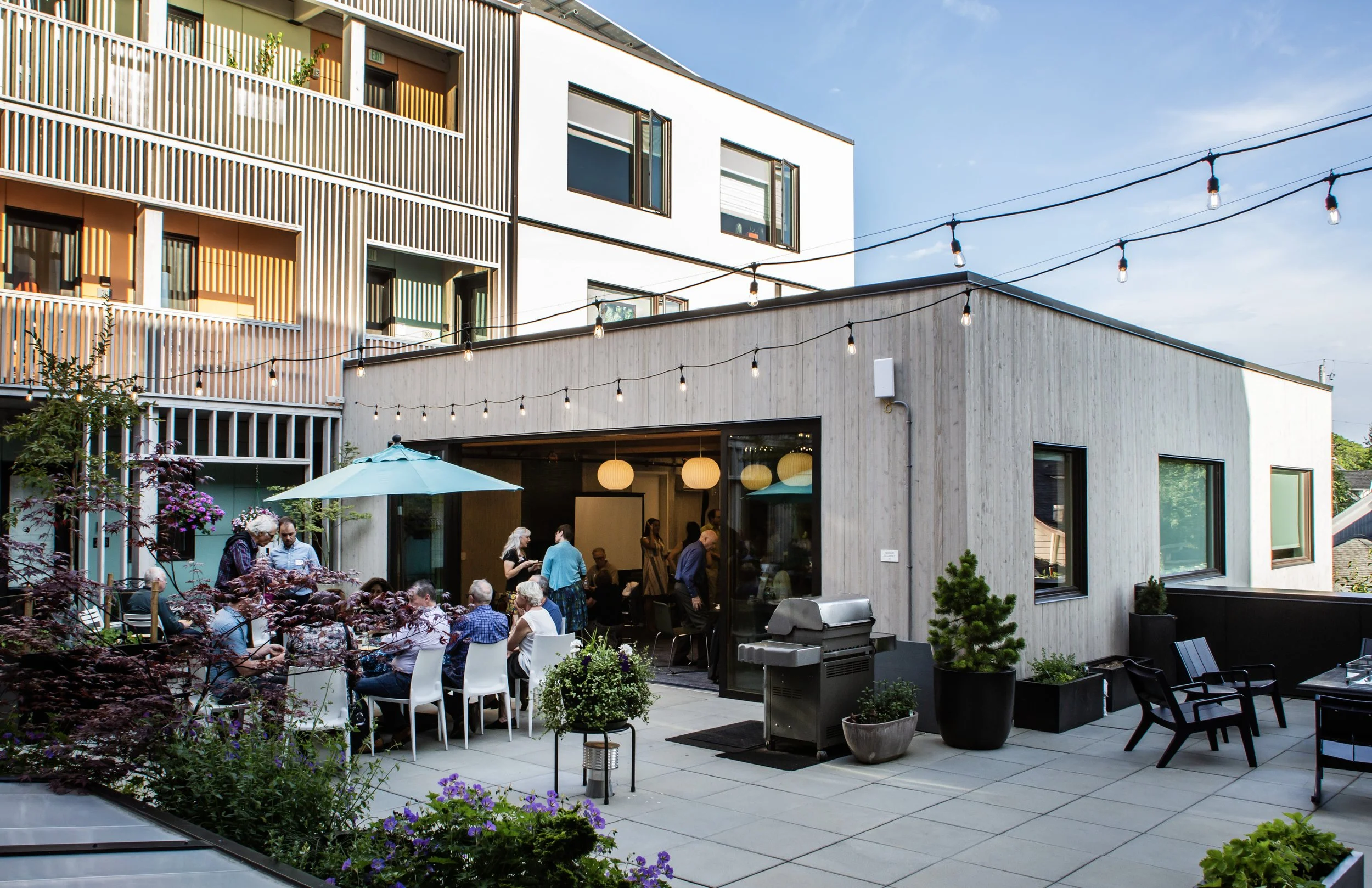
Cohousing is a collaborative approach to living that brings people together to create a true sense of neighborhood—something often missing in modern housing. Future residents play an active role in shaping the community, from design to development, and once established, the community is self-managed and self-governed by the people who live there. It blends the privacy of individual homes with shared spaces like a common house, kitchen, gardens, and gathering areas that support connection and daily interaction. Thoughtfully designed with people in mind, cohousing neighborhoods often prioritize walkability, sustainability, and a more connected way of life.
The Heart of Community Living
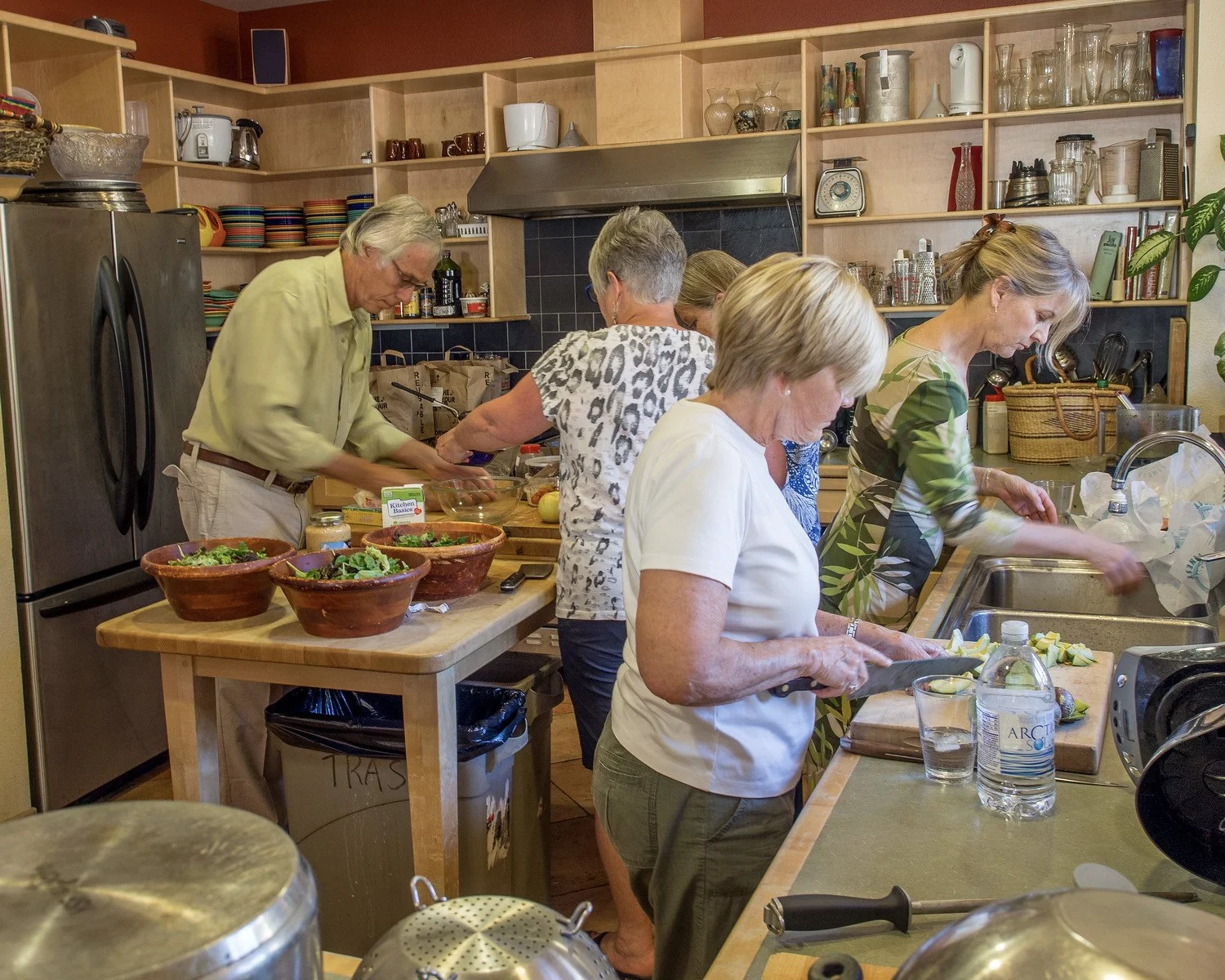
In cohousing, the common house is the center of daily life—a shared space designed to bring people together in natural, meaningful ways. While each home includes its own private kitchen and living areas, the common house extends the home with spaces for connection and community. Neighbors might gather for shared meals, host celebrations, enjoy movie nights, hold meetings, or simply spend time together.
Common houses typically include a large kitchen and dining area, comfortable lounge spaces, guest rooms for visitors, and flexible areas for fitness, hobbies, or creative pursuits. These spaces make it possible to live more simply in private while gaining access to more together—creating regular opportunities for interaction and a stronger sense of neighborhood.
Designed for Connection, Built for Choice
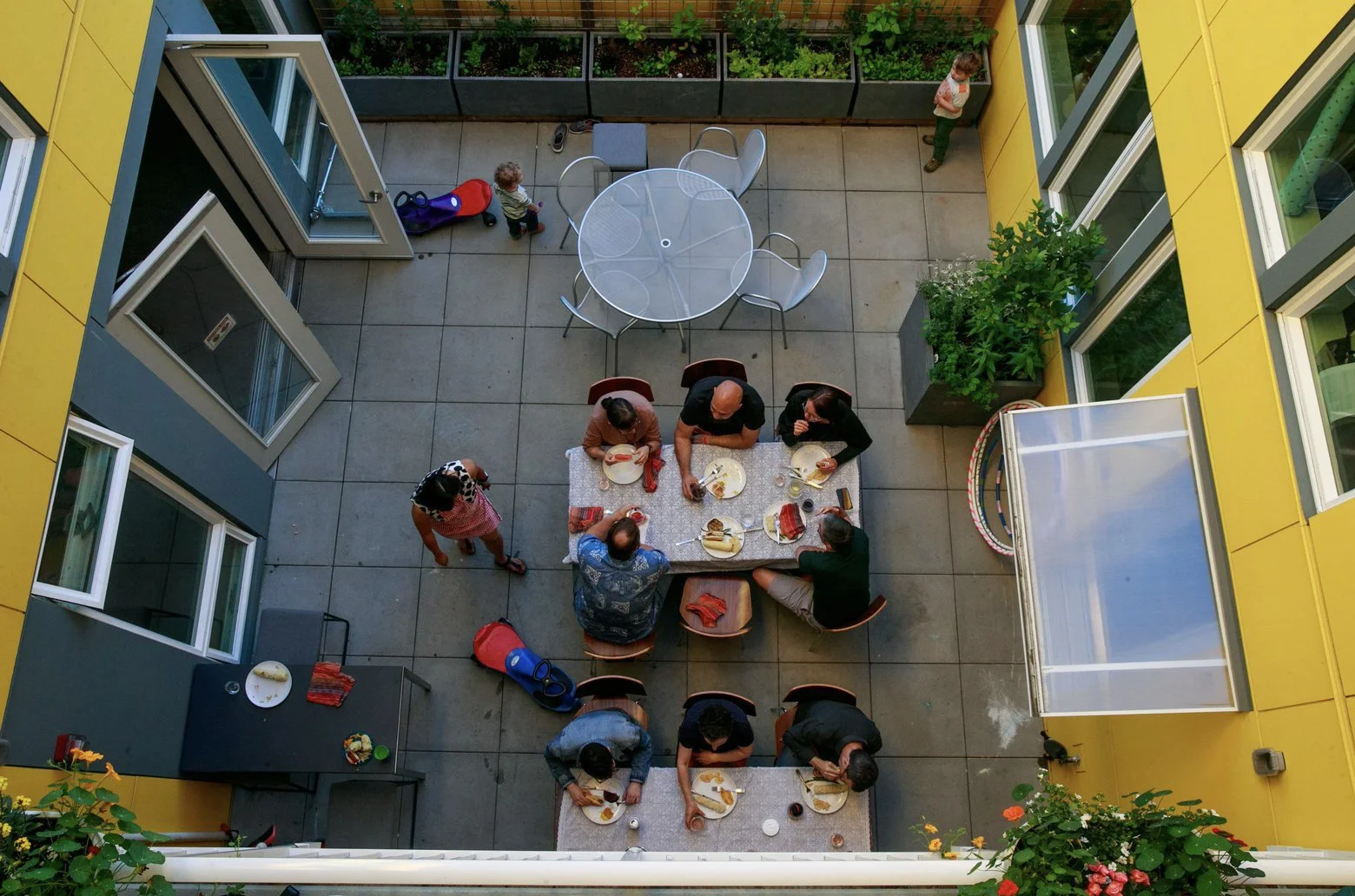
Cohousing communities are intentionally designed to support both connection and privacy. The layout encourages natural, spontaneous interactions—like shared paths, courtyards, and gathering spaces—while still allowing residents to retreat into their own private homes. Communities typically range from 20 to 30 homes and can take many forms, including single-family homes, townhomes, or apartments. Some, like Snowberry Commons, are designed for those 55 and older, bringing together people in a similar stage of life who value both independence and a strong sense of community.
Shared Ownership, Collective Management
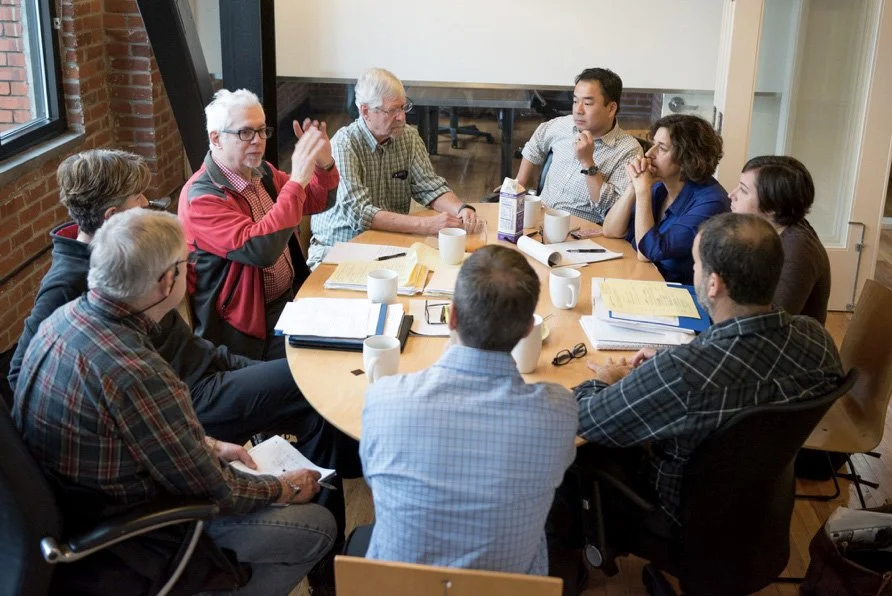
Cohousing communities are typically structured like a condominium with a homeowners association (HOA). Homes are privately owned, while shared spaces—like the common house and grounds—are owned collectively by the HOA. The community is managed by its members, who work together to make decisions—often using a collaborative, consensus-based approach that ensures all voices are heard while moving the community forward.
Sustainability & Everyday Efficiency

Cohousing communities are designed to make the most of shared resources while supporting a more sustainable and efficient way of living. By sharing spaces, tools, and amenities, residents can reduce consumption and lower the overall cost of living—often allowing for smaller homes without sacrificing quality of life. Durable, energy-conscious construction helps reduce long-term maintenance and utility costs, while the built-in social structure naturally supports resource sharing and everyday efficiencies. Over time, cohousing homes also tend to retain their value well, with strong demand making resales easier—offering both lifestyle and long-term stability.
Elements of Cohousing?
-
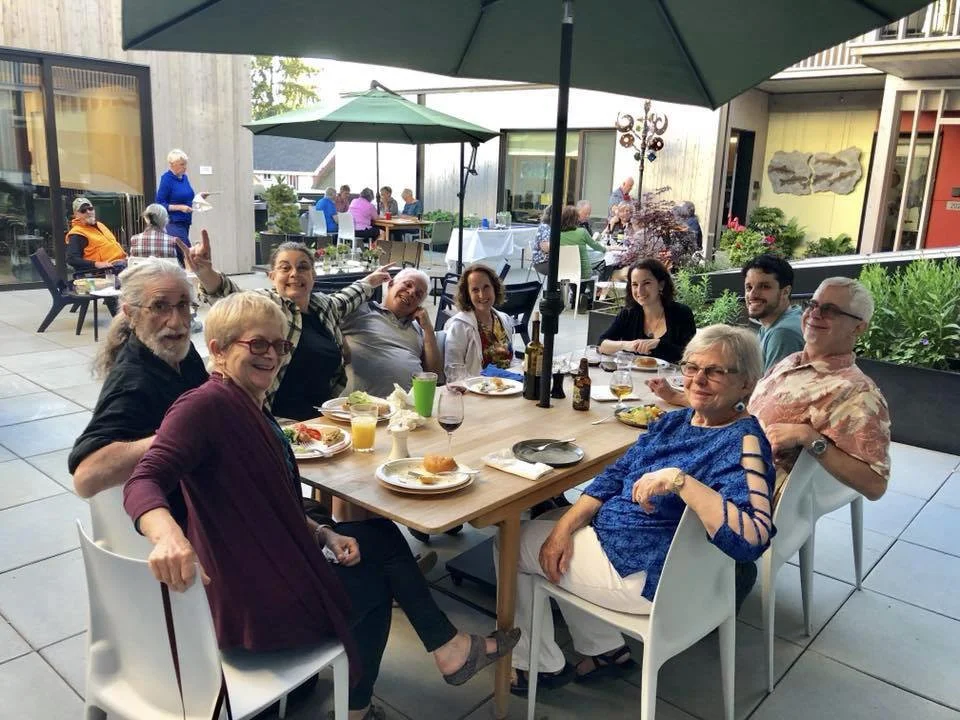
![People sitting at a table outside of a building surrounded by colorful flowers and plants, with a green umbrella shading part of the area.]()
Private Homes
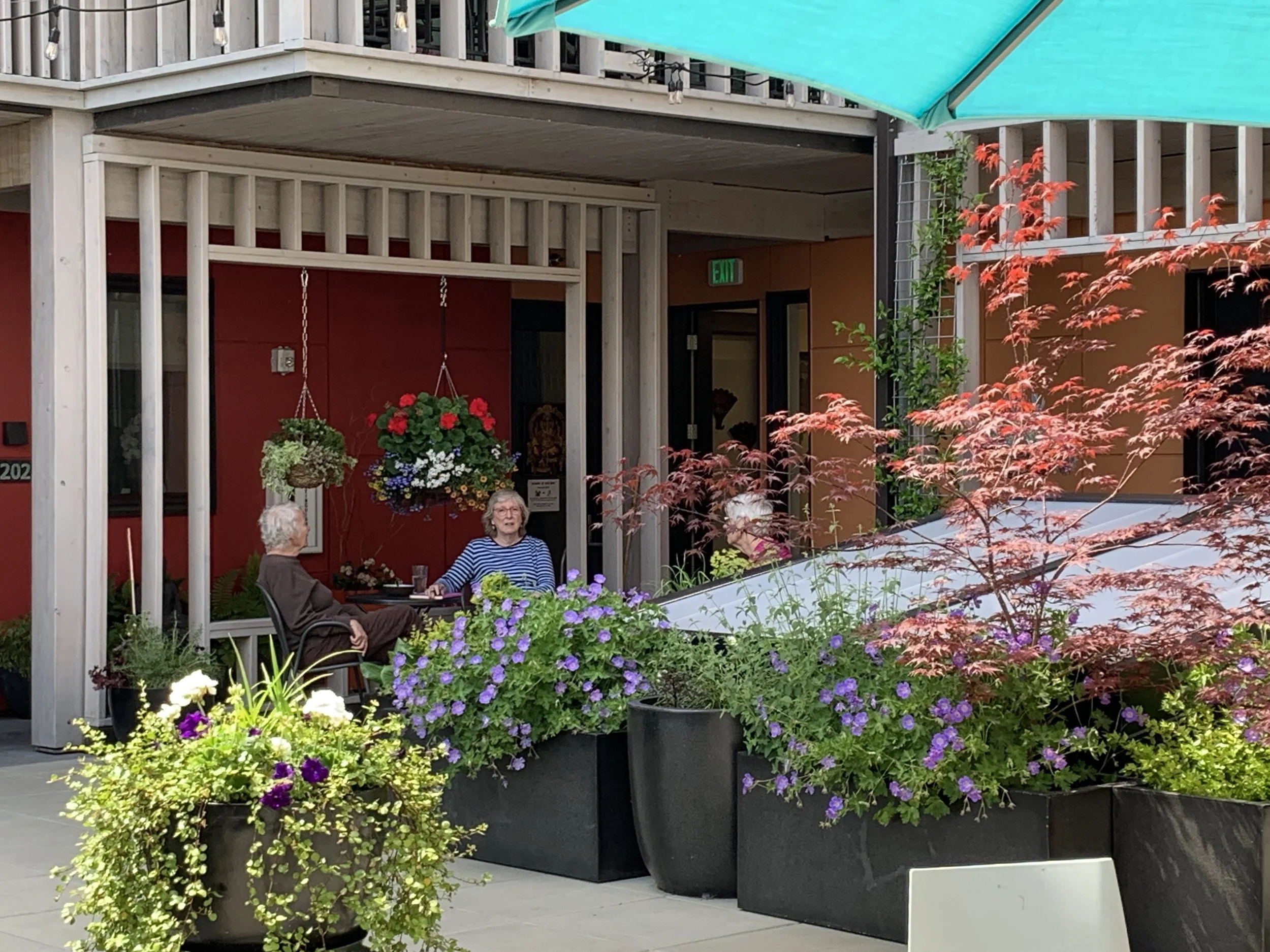
Cohousing communities provide individual residences complete with familiar amenities, including fully-equipped kitchens. The architectural layout of our homes is crafted to offer a view towards the community, while ensuring discreet private spaces remain unobservable.
While fostering easy and natural connection with the community, such interaction is optional and intermittent, acknowledging the significance of privacy.
-
![A group of elderly women preparing food in a bright kitchen with large windows, snacks and ingredients on the counter, and a bulletin board with notices on the wall.]()
Common Spaces
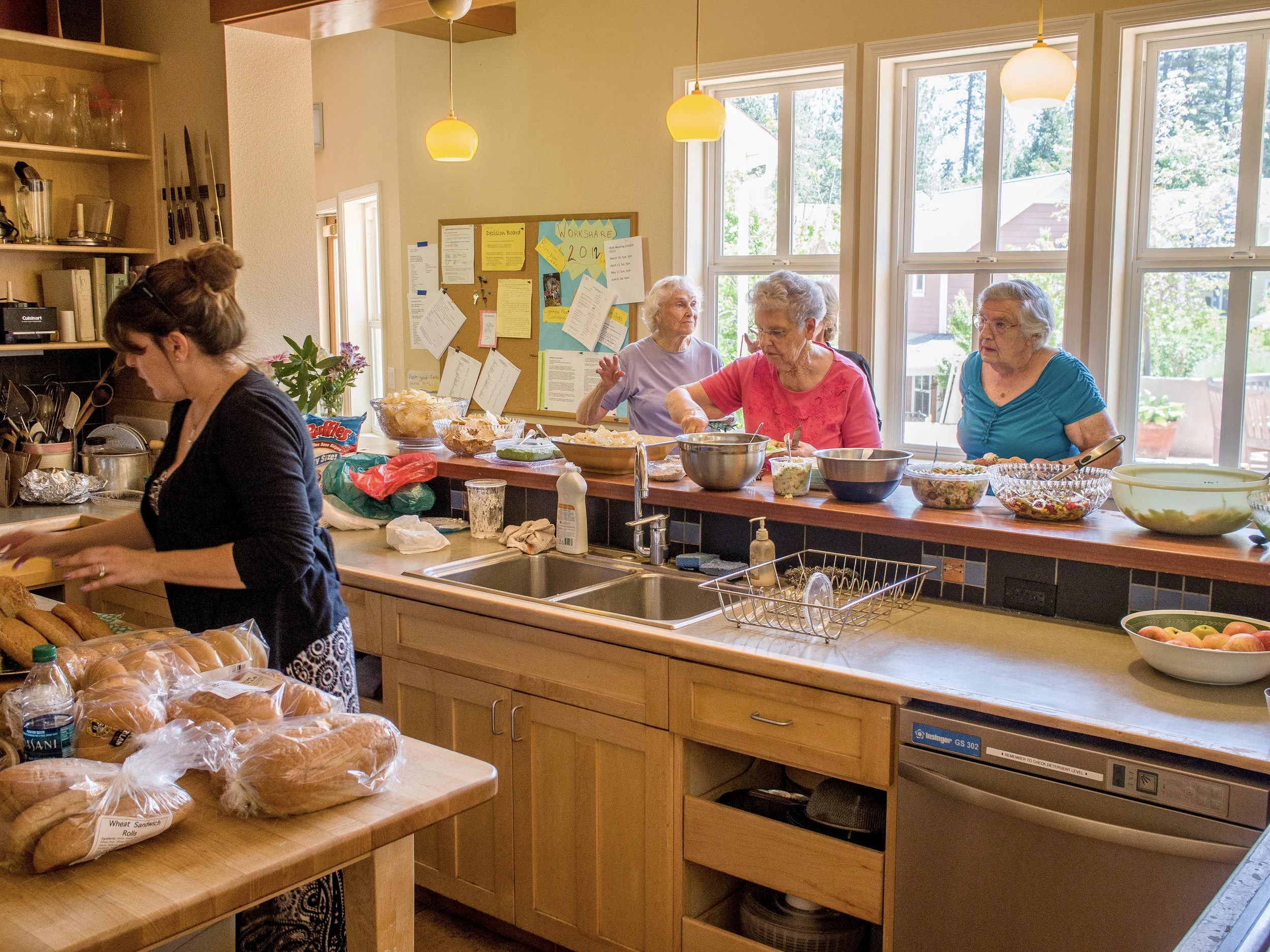
Cohousing common houses serve as focal points, featuring shared amenities like kitchens, dining areas, laundry, guest rooms and recreational spaces, fostering shared interests and activities. These spaces facilitate regular interaction among residents, promoting a sense of unity.
The design emphasizes both community engagement and the importance of private spaces to create a harmonious and fulfilling living environment.
-
![Modern multi-story apartment building with balconies, illuminated windows, and a tree in the foreground during twilight.]()
Smaller Footprint
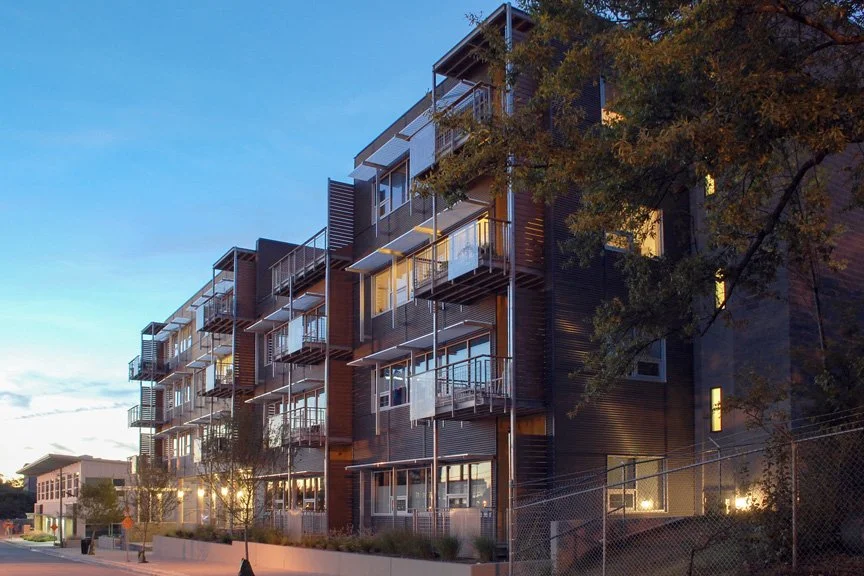
Cohousing promotes sustainability through intentional design, incorporating eco-friendly features like shared open spaces, smaller dwellings, and construction in harmony with natural surroundings. Shared resources reduce individual carbon footprints, while collaborative planning emphasizes environmental consciousness.
This commitment to sustainability enhances the overall resilience and ecological harmony of cohousing communities.
-
![Several elderly women stand close together indoors, each reading a book titled "Rightsizing Your Life." They are smiling and appear engaged, with some wearing glasses and casual clothing. The background includes a whiteboard, window with curtains, and various office or home items on a table.]()
Connected Relationships
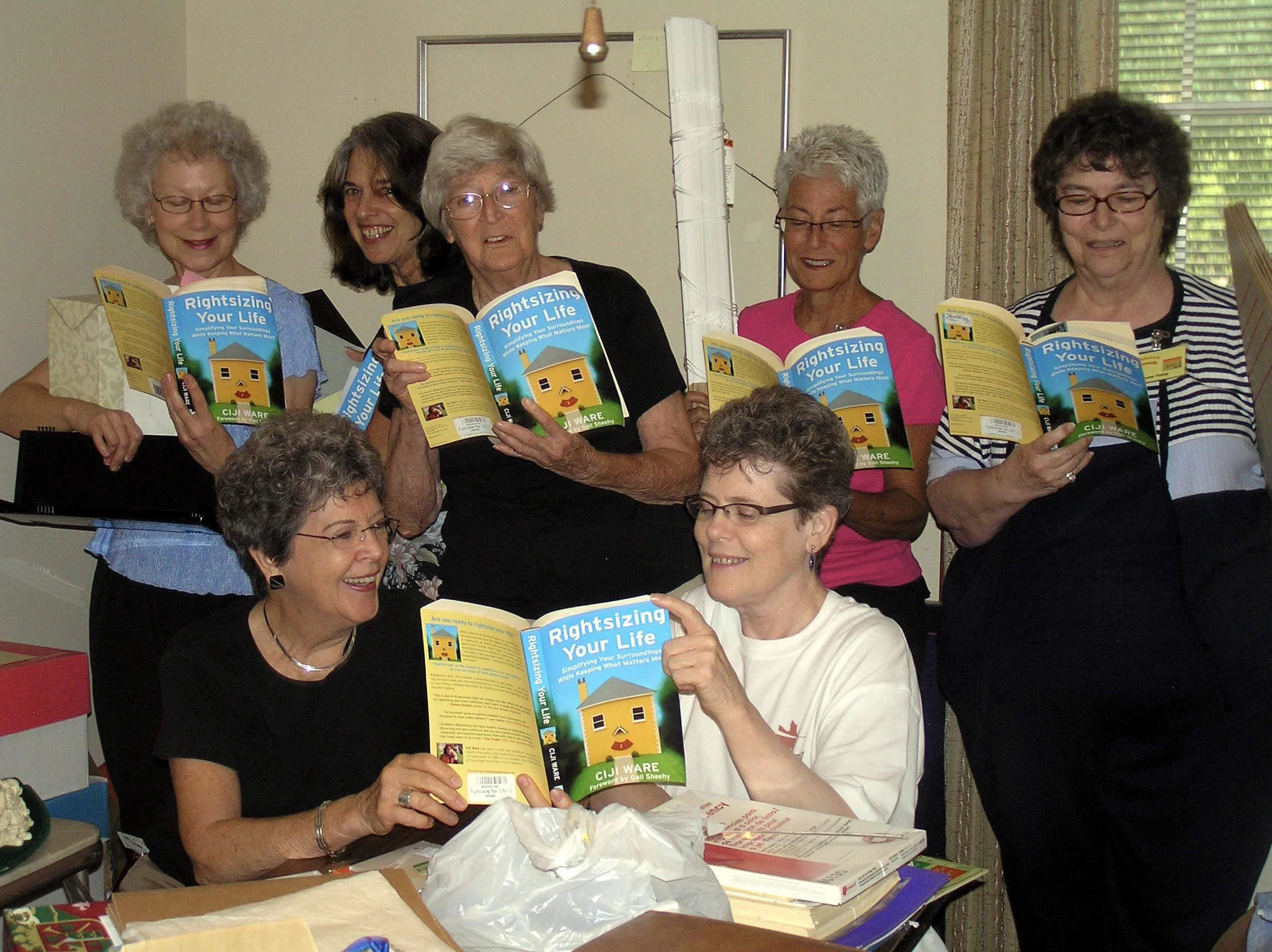
Cohousing cultivates connected relationships by design, encouraging regular interaction through shared spaces like common houses, kitchens, and recreation areas.
Active resident participation in planning fosters a strong sense of community, promoting mutual support, shared experiences, and a deeper social fabric that enriches the overall quality of relationships within the cohousing setting.
-
![Group of older adults sitting in a circle engaging in a discussion or meeting in a conference room, holding papers and talking.]()
Participation
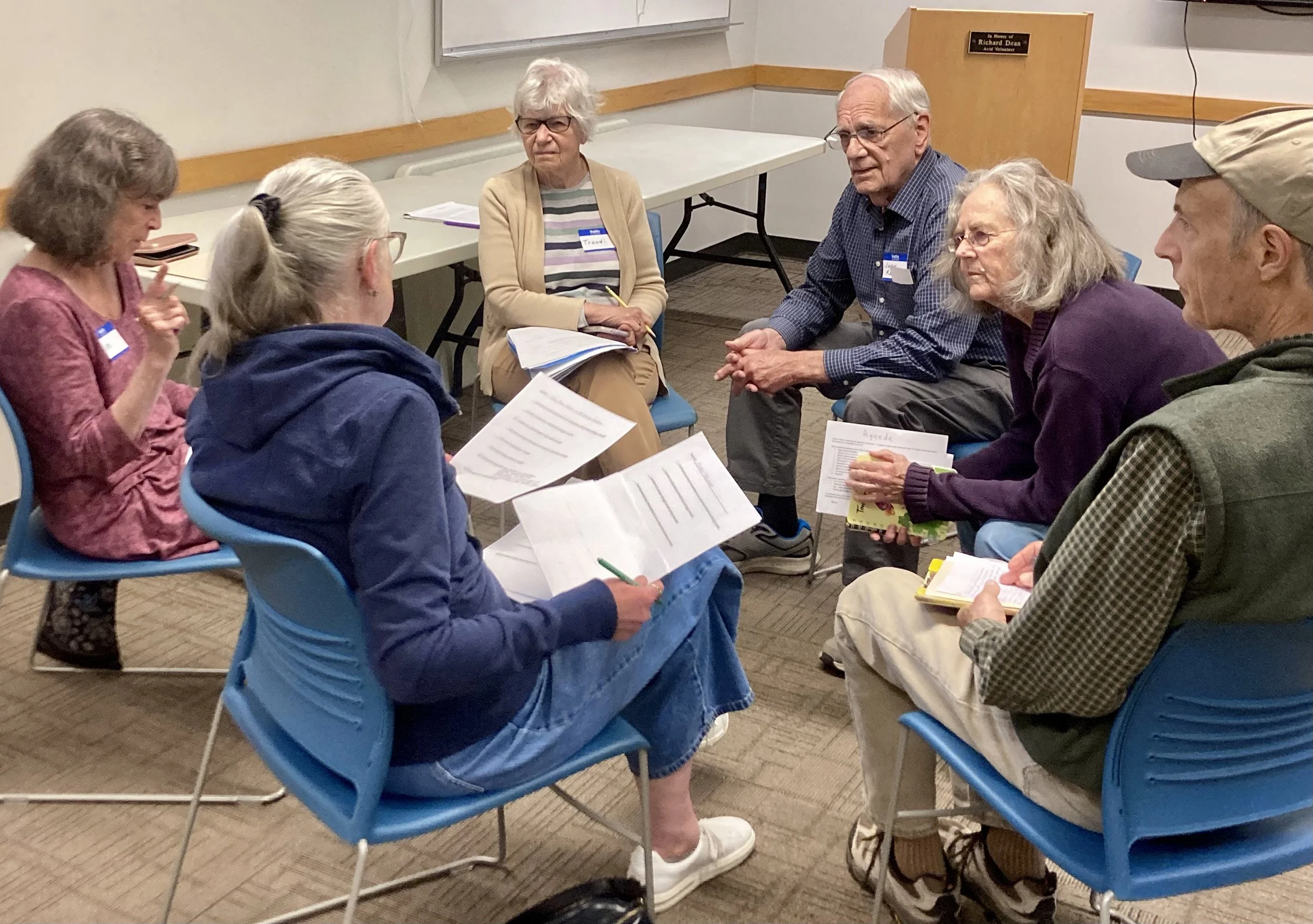
Cohousing encourages active resident participation by involving them in the planning, design, and management of their community.
This intentional engagement fosters a sense of ownership, shared responsibility, and democratic decision-making, creating a vibrant and collaborative living environment where residents play a pivotal role in shaping their collective future.
-
![A group of people sitting around a table outdoors at a restaurant, enjoying food and drinks under green umbrellas.]()
Shared Values
Cohousing communities thrive on shared values that create a cohesive and supportive environment. Residents collaboratively establish principles such as environmental sustainability, communal responsibility, and collective decision-making.
These shared values foster a strong sense of unity, trust, and a shared commitment to creating a purposeful and harmonious living experience.
Frequently Asked Questions Cohousing Questions
-
Cohousing is an intentional way of living where neighbors come together to create a connected, collaborative community. Each household has a private home, while shared spaces and amenities support everyday interaction, shared meals, and a sense of belonging. Residents play an active role in shaping the community and how it operates, creating a balance between independence and connection.
-
The common house is the heart of a cohousing community—a shared space designed for gathering, connection, and everyday use. It often includes a large kitchen and dining area for shared meals, comfortable lounges, guest rooms, and flexible spaces for activities, meetings, or hobbies. It’s where much of the social life of the community naturally unfolds.
-
Cohousing is a great fit for people who want more connection, purpose, and ease in their daily lives—especially active adults who aren’t ready to slow down but are ready to live more intentionally. It offers the best of both worlds: a private home alongside a built-in community of neighbors who know and support one another, making it easier to stay socially engaged, avoid isolation, and enjoy meaningful relationships. For many adults 55+, it’s a proactive choice that supports independence while simplifying life, creating opportunities for shared experiences, and fostering a strong sense of belonging—because it’s not just about where you live, but how you live.
-
Cohousing can take many forms. Some communities are intergenerational, while others are designed for specific life stages—such as active adults. Age-focused communities often bring together people with shared lifestyles and priorities, creating a strong sense of connection and compatibility.
-
Yes—cohousing naturally supports a more sustainable lifestyle. Shared resources, smaller homes, and thoughtfully designed spaces help reduce consumption and environmental impact. Many communities also incorporate energy-efficient design, shared tools, gardens, and other features that support more mindful, efficient living.
-
Cohousing communities are created through a collaborative, resident-driven process. Future residents help shape the vision, design, and priorities of the community—often working alongside developers, architects, and other professionals. This approach ensures the final community reflects the values and needs of the people who will live there.
-
Most cohousing communities are structured like a condominium, where residents own their private homes and share ownership of common spaces through a homeowners association (HOA). The HOA, made up of residents, manages shared expenses and operations. Development is typically funded through a combination of homeowner investments and traditional financing, with an emphasis on transparency and shared responsibility.
-
Decisions in cohousing are typically made collaboratively by the residents, often using a consensus-based or consent-based process. This approach encourages open discussion, shared input, and thoughtful solutions that reflect the needs of the group. While it may take more time than traditional decision-making, it helps build trust, strengthen relationships, and ensure that everyone has a voice in shaping the community.